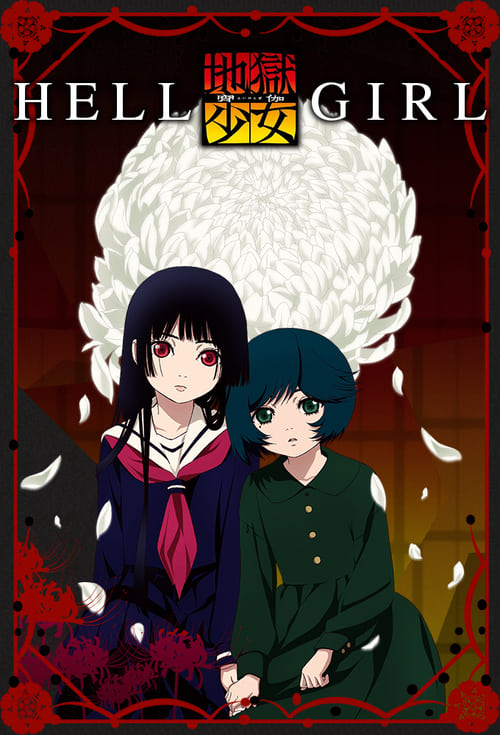
Have you ever heard the urban legend that if you hold a grudge against someone, just typing their name into a mysterious website at midnight will send them straight to hell? Hell Girl (Jigoku Shoujo) brings that legend to the screen in an anime that is both eerie and a brilliant social commentary. This series is not just about revenge; it questions justice, responsibility, and the price we pay when we choose to destroy another's life.
Plot Summary (No Spoilers)
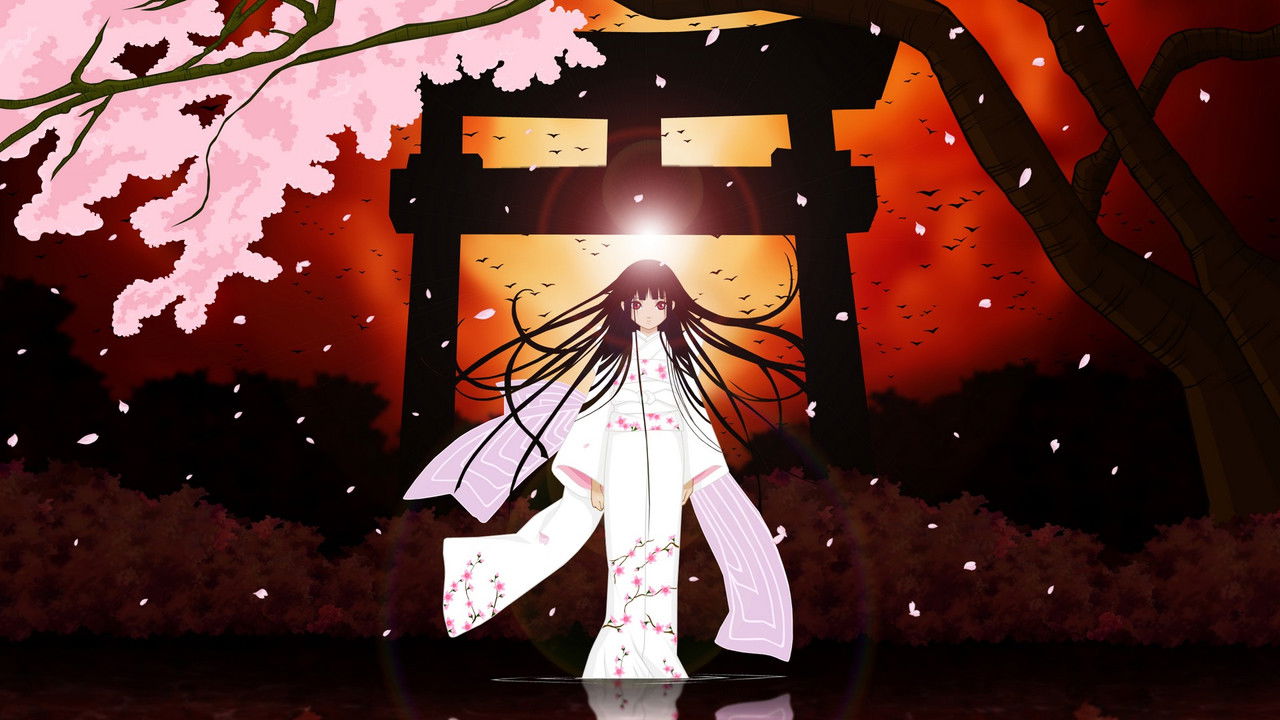
The urban legend goes that at exactly midnight, if you visit the website "Hell Correspondence" and type the name of the person you hate most, then press send, a straw doll will appear. When you pull the red string from the doll, your enemy is sent to hell instantly. But in exchange, you will also go to hell after you die. This is the story of Ai Enma, a girl with the power to fulfill people's revenge requests, but each time she carries out a mission, she must face her own deep-seated pain from the past. The series is divided into episodes, each telling the story of someone who asks for her help, often ending with emotional impact and a lesson that makes us reconsider the consequences of human actions.
Performance and Characters
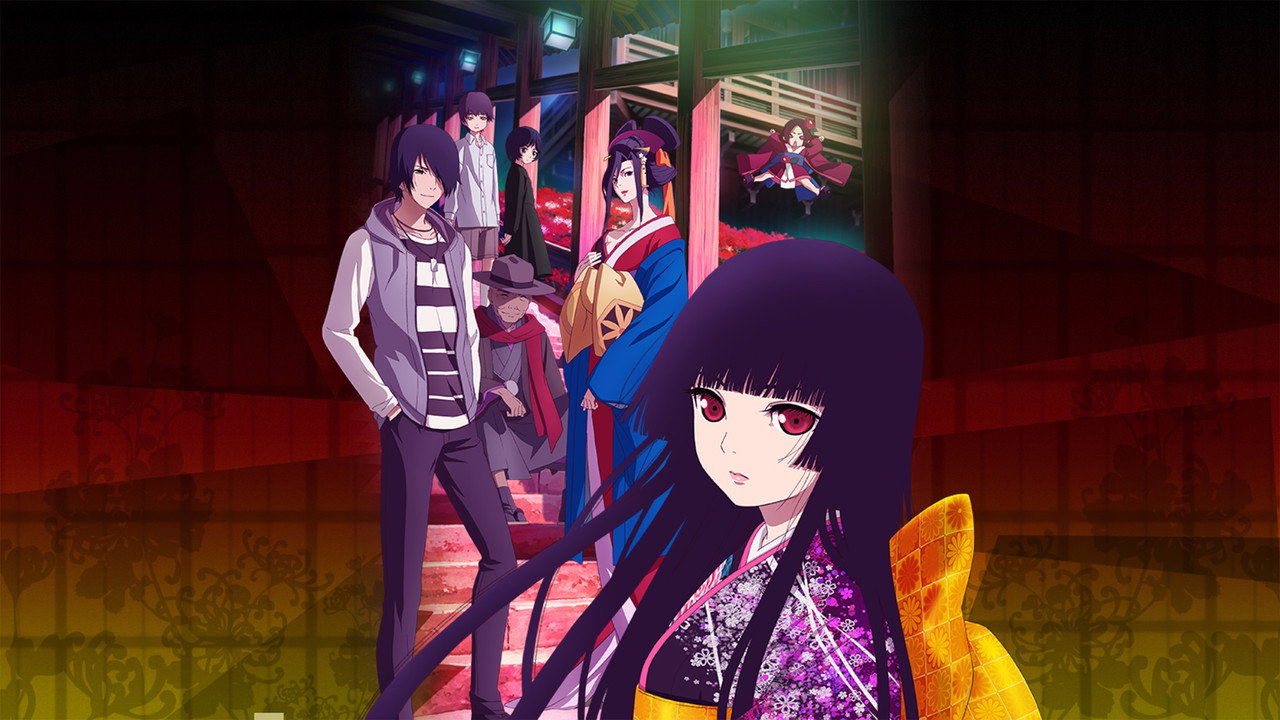
Even though it's an anime, voice acting and character design play a crucial role. Mamiko Noto voices Ai Enma perfectly, with a calm yet sorrowful and empty tone, making the character both fearsome and pitiable. Masaya Matsukaze voices Ren Ichimoku, Ai's loyal companion who assists her in missions, with a playful yet mysterious personality. Meanwhile, Wanyūdō (voiced by Takayuki Sugō) is a creepy character with a half-male, half-female face and a mocking laugh. Each character is designed to symbolize different aspects of death and revenge, bringing the world of Hell Girl to life and making it memorable.
Direction, Visuals, and Music
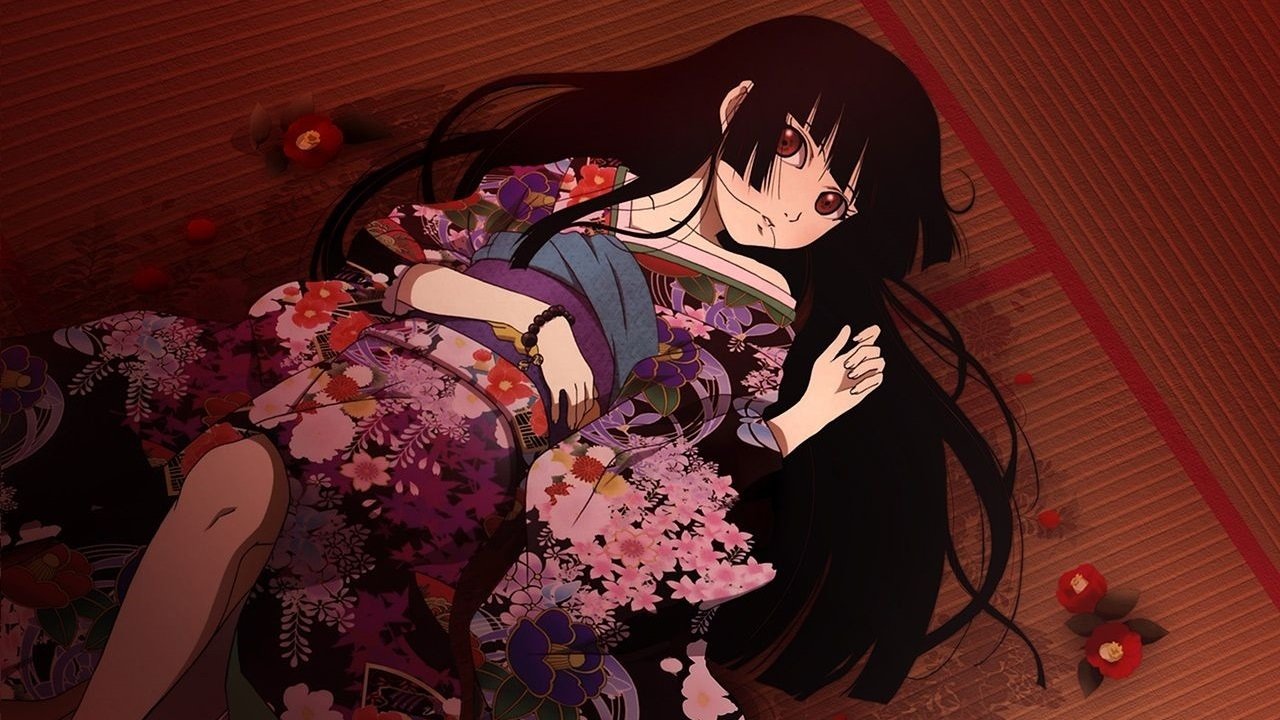
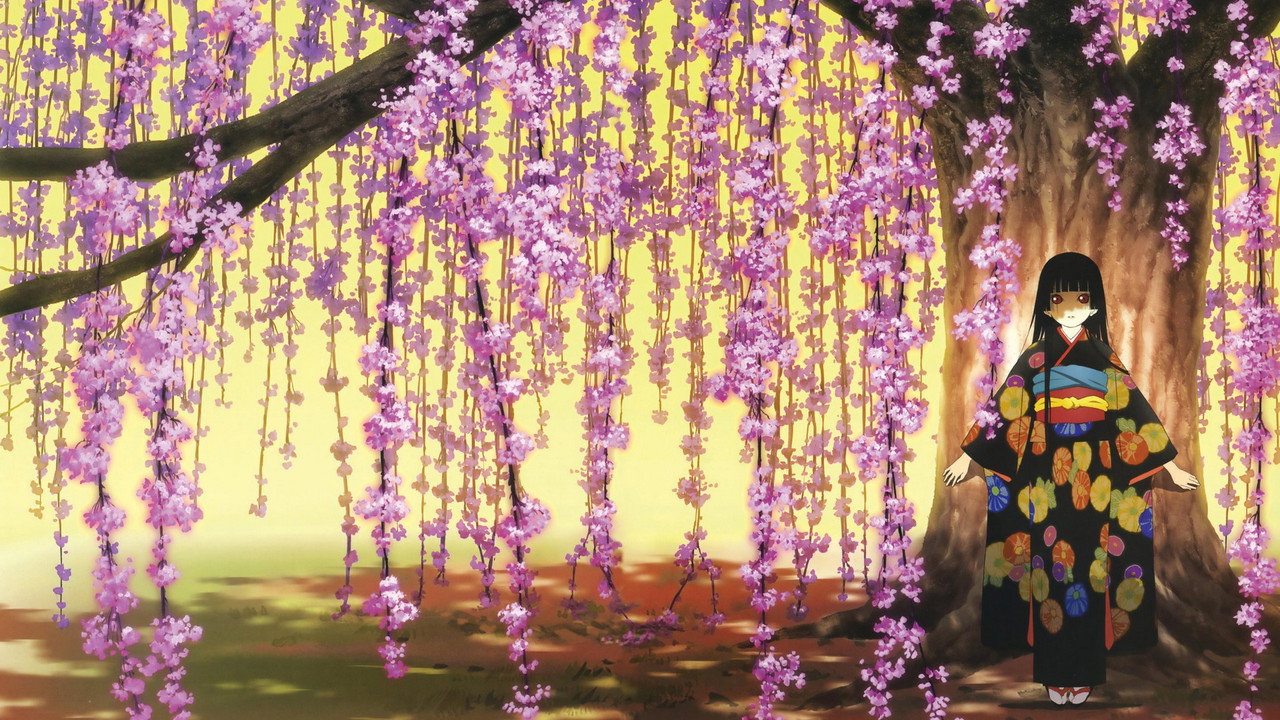
The visuals of this series have a unique style, using dull and dark tones to create a gloomy atmosphere, but also featuring beautiful and delicate scenes, especially when Ai appears in her black Japanese school uniform amidst falling cherry blossoms—an image that stays with many viewers. The character designs by Akira Watanabe are simple yet powerful, conveying emotions through eyes and movements. The music, composed by Ikuro Tomita and Hideki Taki, perfectly matches the story's atmosphere. The opening theme "Karasu no Hana" feels sad and mysterious, while the ending theme "Kamitachi no Ki" (first version) enhances the melancholic mood. Director Akira Watanabe and the team do an excellent job of telling each episode with twists and sharp insights.
Editorial Analysis
What makes Hell Girl stand out is its moral questioning without fixed answers. The series does not judge revenge as right or wrong but shows that every action has consequences, and sometimes those who seek revenge become victims of the system they created. For example, in many episodes, characters who ask Ai for help seem to have reasonable motives, but as the story unfolds, we see they are partly at fault or had better options. The series also reflects social issues like school bullying, betrayal in love, or workplace exploitation, making viewers sympathize with the characters' anger while warning how thin the line between justice and revenge is.
Moreover, the episodic format where each episode is self-contained makes it easy to follow, but the series also has a main storyline about Ai's past and her relationships, slowly revealed, keeping viewers curious. Another strength is that the series is not afraid to show the terrible outcomes of revenge—both the requester and the cursed often end up suffering, making viewers reconsider whether revenge truly makes us feel better.
Verdict
Hell Girl is an anime that not only entertains but also challenges viewers' thoughts on justice and revenge. If you like dark, layered stories and want something beyond superficial entertainment, this series is a must-watch.
Screenshots
👍 Pros
- +Each episode offers sharp moral insights
- +Main and supporting characters are dimensional and memorable
- +Dark atmosphere and music that fit the theme
- +Not afraid to show the terrible consequences of revenge
👎 Cons
- −Some episodes may feel repetitive in narrative structure
- −The main plot about Ai's past is slow and may bore some viewers
Top Cast




FAQ
A total of 4 seasons, 90 episodes (Season 1: 26 episodes, Season 2: 26 episodes, Season 3: 26 episodes, Season 4: 12 episodes).
Currently available on streaming platforms like Crunchyroll, Funimation, or Netflix (some countries), and on DVD.
No, it is not suitable for children due to violent content, murder, and complex moral issues. Recommended for teenagers and above.
No, this article does not spoil the ending; it only discusses the concepts and themes of the story.