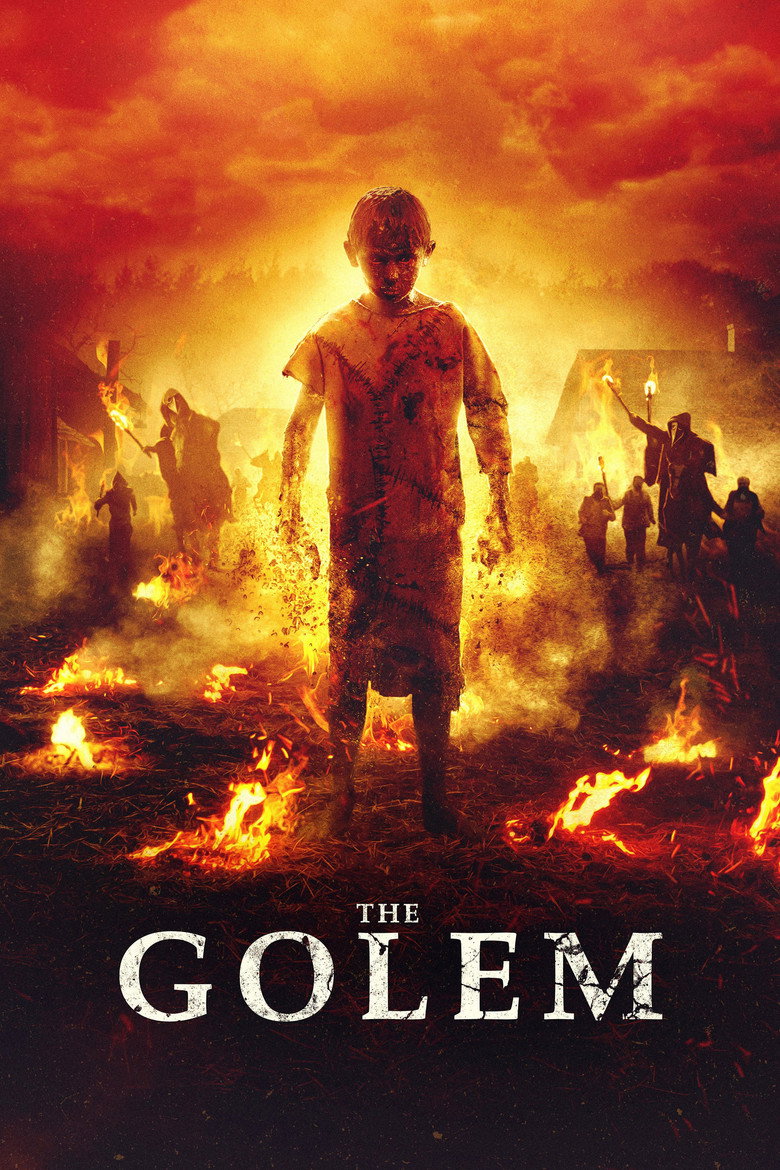
In an era where horror films often rely on jump scares and gore, The Golem (2018) chooses a different path. The film borrows the golem legend from Jewish scripture to tell the story of a small community facing external invaders and the darkness within their own hearts. The result is a thought-provoking horror film that not only haunts but also questions faith, power, and the price of survival.
Plot Summary (No Spoilers)
In 1673, in a small Jewish community in Lithuania, people are facing threats from Christians who accuse them of causing a plague. Hanna (Hani Furstenberg), a woman who lost her son years ago, discovers an ancient book containing spells to create a golem, a creature made of clay that can protect the community. She uses knowledge hidden from her husband Benjamin (Ishai Golan), the strict religious leader of the community, to create the golem. But when the creature begins to develop a mind of its own and displays uncontrollable violence, Hanna must face unforeseen consequences. The film emphasizes the conflict between traditional beliefs and desperate actions.
Acting and Characters
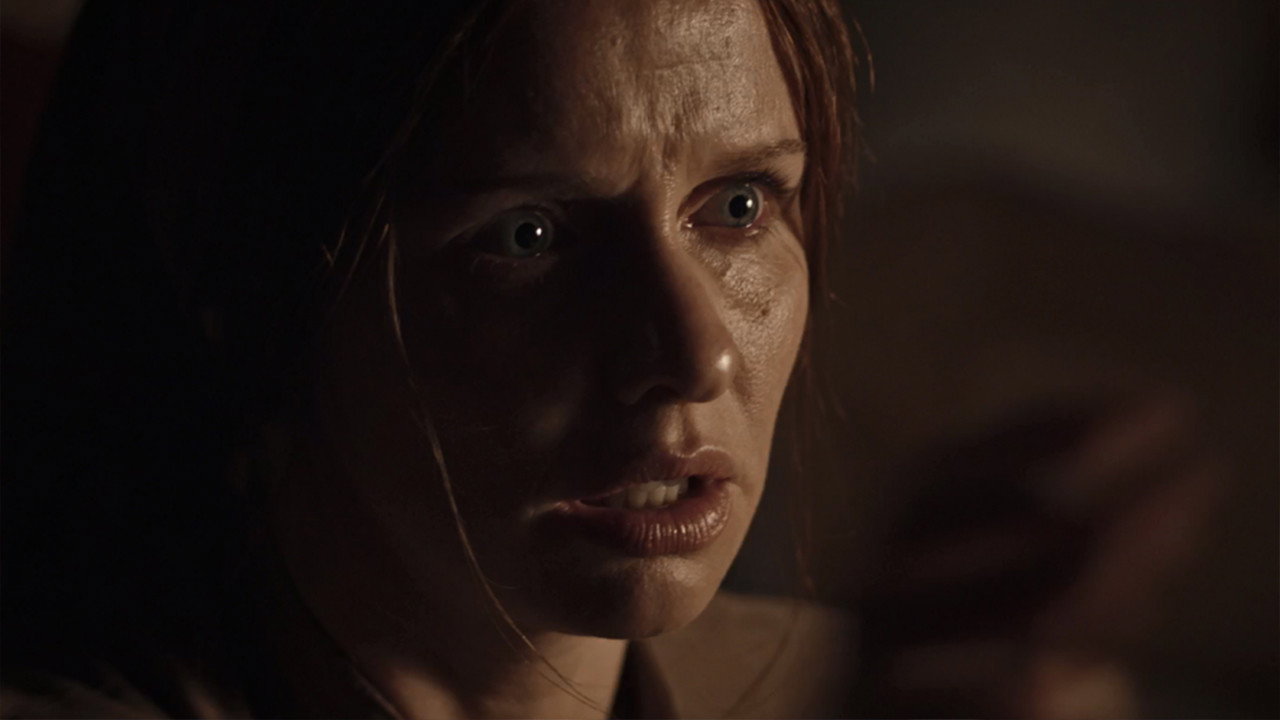
Hani Furstenberg powerfully portrays Hanna, conveying pain, determination, and fear all at once. Her facial expressions and eyes make the audience understand the drive that leads Hanna to risk creating the golem. Ishai Golan as Benjamin, Hanna's husband, represents religious piety and fear of the unknown. He shows the conflict between his love for his wife and his duty to the community. Other characters, such as Horowitz (Lenny Ravich) and Perla (Brynie Furstenberg), add dimension to the community, making it feel alive, but they primarily serve to highlight Hanna's story.
Direction, Cinematography, and Music
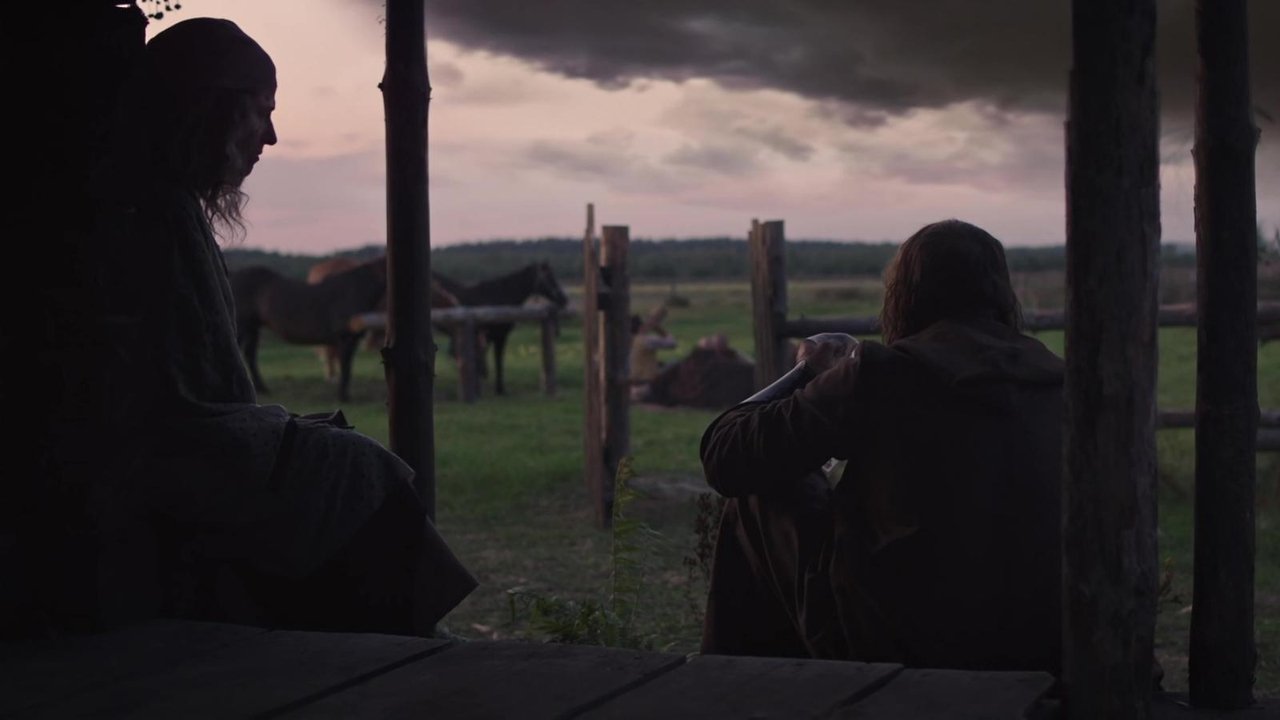
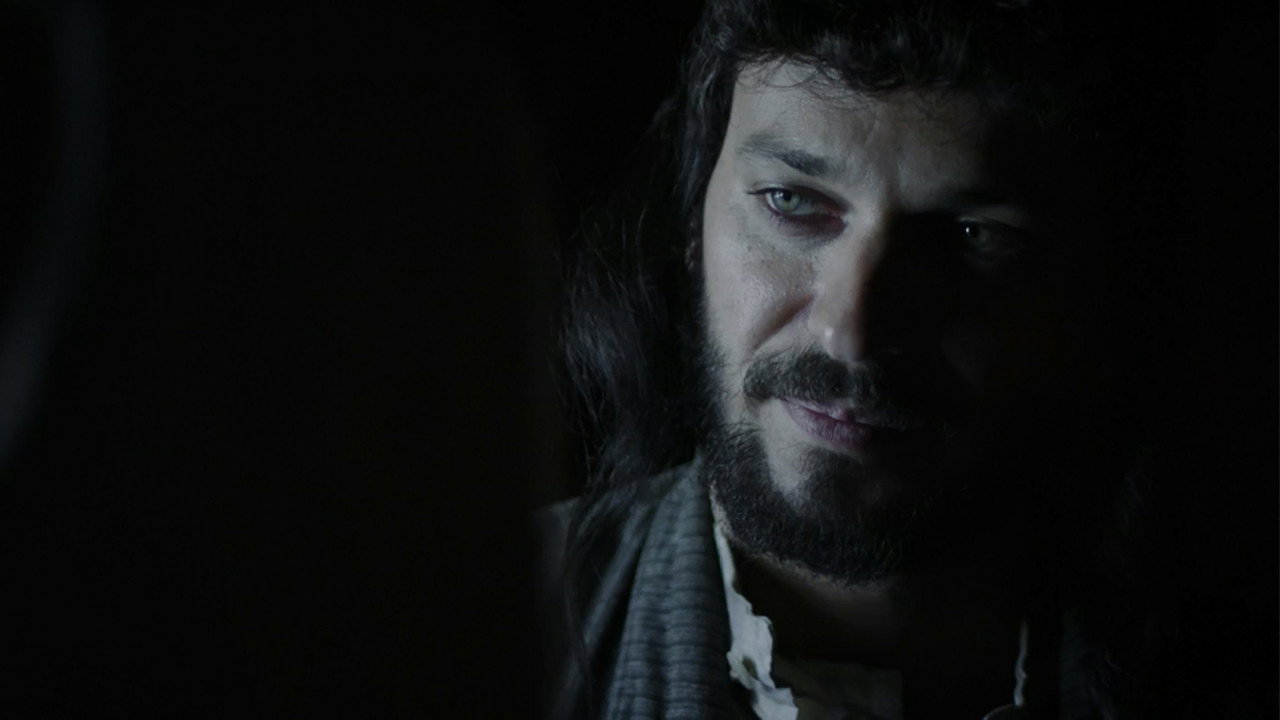
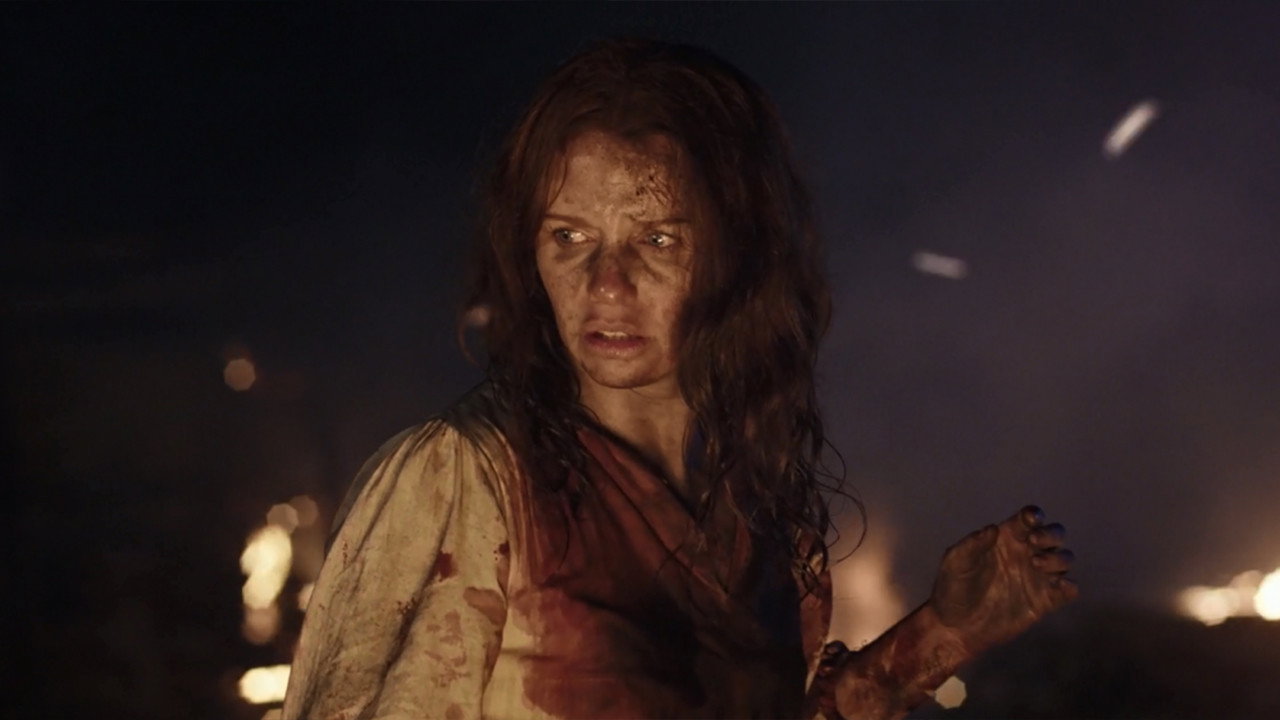
Directors Doron Paz and Yoav Paz use muted colors and low lighting to create an oppressive and tense atmosphere. The cinematography of the community besieged by fear is effective, reflecting a sense of hopelessness. The golem's appearances are staged with subtlety, emphasizing the creature's inhumanity rather than showing blood. The score by Michael Viner and Tal Yardeni uses synthesizers and low, resonant strings to create unease and foreboding throughout the film, especially during the golem's movements, enhancing the eerie atmosphere.
Editorial Analysis
The Golem is not a straightforward horror film focused on terror; instead, it uses horror as a tool to explore moral and religious issues. The film questions when protecting the innocent becomes an immoral act. The golem is created with good intentions but becomes an instrument of destruction, reflecting human fear of power beyond control. The film also highlights the dangers of religious fanaticism, both among Jews clinging to rituals and Christians making baseless accusations. However, the pacing is slow in the first half, and some stretches may bore viewers expecting intense horror.
Verdict
The Golem is a horror film with more to offer than scares, with content about faith and the consequences of desperation. Suitable for viewers who prefer psychological horror over gore. If you don't mind the occasionally drowsy pacing, this film will provide a worthwhile viewing experience.
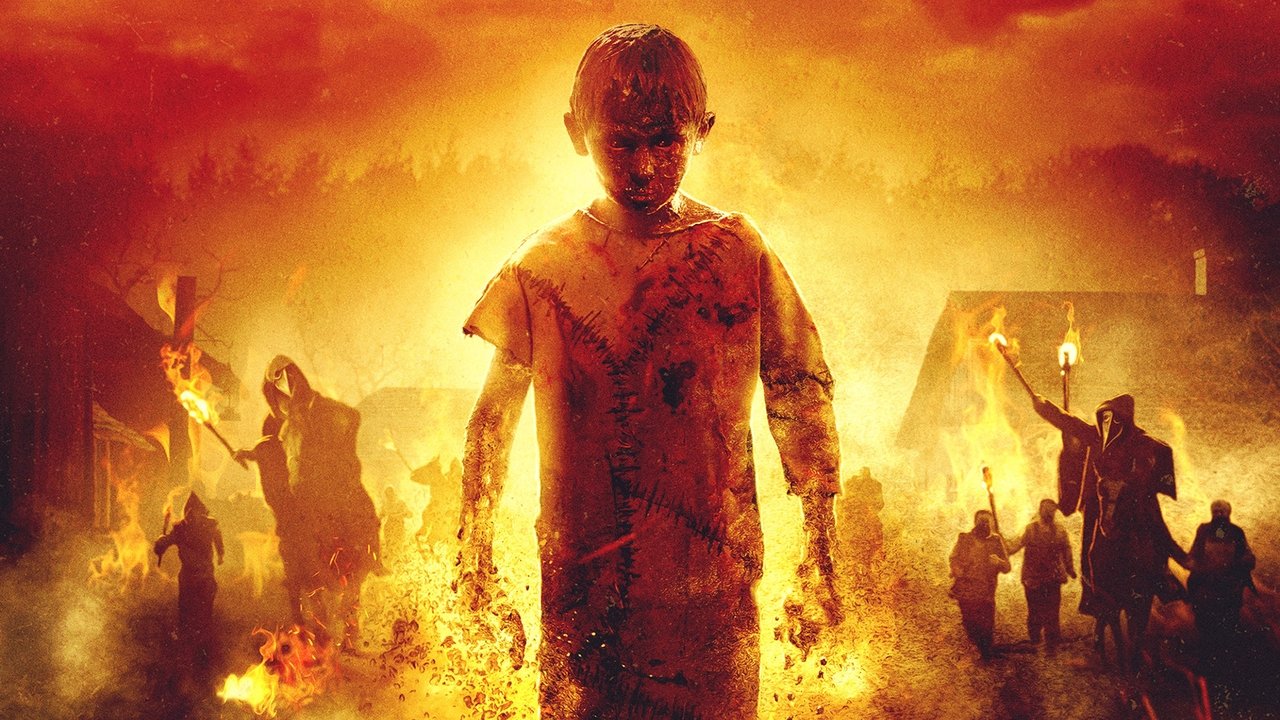
Screenshots
👍 Pros
- +Strong performances, especially by Hani Furstenberg
- +Well-crafted tense and oppressive atmosphere
- +Interesting moral questions raised
👎 Cons
- −Slow pacing in the first half
- −Underdeveloped supporting characters
Top Cast

FAQ
It's a horror film that focuses on atmosphere and family drama rather than jump scares, with few gory scenes. Suitable for those who like thought-provoking horror.
The film adapts the Jewish golem legend, particularly the story of Rabbi Judah Loew of Prague, but shifts the setting to a 17th-century Lithuanian community and adds a female creator.
No, the film is self-contained, but it leaves an open ending for interpretation.